Source L Shaped Rod End for Automotive, Machinery, and Equipment
Find 30 verified listings for the l shaped rod end suitable for automotive, machinery, and equipment applications. Buyers can compare specifications, certifications, and prices from suppliers in Zhejiang and Ningbo, China; compare the available evidence and request quotations based on your requirements.
Key considerations
Products List
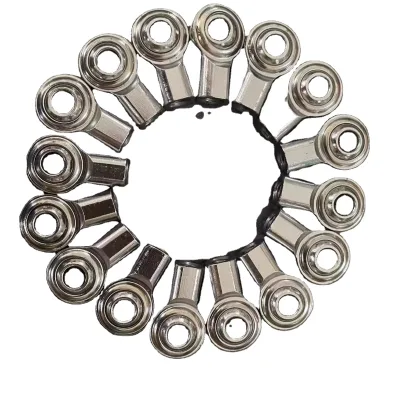


Comprehensive Sourcing Guide
L Shaped Rod End Sourcing Guide
Procuring l shaped rod ends requires a disciplined approach to aligning mechanical geometry with operational load requirements. These components serve as critical pivot points in linkage systems, converting linear motion into rotational movement or vice versa. Buyers must first define the specific angular constraints and torque loads their machinery will encounter. The "l" configuration often implies a specific mounting orientation or clearance requirement that standard straight joints cannot satisfy. Understanding the exact spatial envelope of the installation is the foundational step in preventing premature failure or assembly interference.
The sourcing landscape for these parts is diverse, ranging from generic industrial hardware to specialized automotive suspension components. While the core function remains consistent, the material composition and surface treatments vary significantly based on the end-use environment. Buyers should distinguish between heavy-duty steel variants used in construction equipment and lighter alloy versions found in precision instrumentation. This distinction dictates the necessary durability standards and maintenance intervals. A clear definition of the application context ensures that the selected rod end can withstand the specific vibrational and thermal stresses of the target machinery.
Product Scope and Observed Listing Signals
Market listings for l shaped rod ends frequently display a wide range of material specifications, with iron and steel being the most commonly observed base materials. These materials provide the necessary tensile strength for structural applications, though the exact grade often requires verification through supplier documentation. The condition of these parts is typically listed as new, indicating fresh manufacturing rather than refurbished stock. Buyers should note that while the material is consistent, the specific alloy composition can vary, affecting weldability and fatigue resistance. This variability necessitates careful review of the technical data sheets provided by the manufacturer.
Listing signals also reveal significant variation in packaging and customization options. Products are often packed in cartons, pallets, or plywood boxes, depending on the order volume and fragility of the components. Customization is frequently available, allowing buyers to specify unique thread sizes, lengths, or angular configurations that deviate from standard catalog items. This flexibility is crucial for retrofitting existing machinery or designing custom linkage systems. However, the availability of custom features may impact lead times and minimum order quantities, requiring early engagement with the supplier to align production schedules with project deadlines.
Technical Specifications to Verify
Verifying the dimensional accuracy of l shaped rod ends is paramount to ensuring proper fit and function. Key specifications include the thread pitch, diameter, and the precise length of each arm in the "l" configuration. Buyers must confirm that the thread standards, such as metric or imperial, match the mating components in their assembly. The standard M281.5105mm specification observed in some listings highlights the importance of verifying thread parameters, as even minor deviations can lead to cross-threading or insufficient engagement. Accurate dimensional data prevents costly rework and ensures the structural integrity of the linkage system.
Surface treatment and material hardness are equally critical technical factors that influence the longevity of the rod end. Processes such as PVD coating or surface oxidation provide corrosion resistance, which is essential for outdoor or harsh industrial environments. The operating temperature range, typically cited between -50°C and +120°C, defines the thermal limits of the component. Buyers must ensure that the selected rod end can withstand the peak temperatures generated by friction or ambient conditions. Additionally, the machining method, often CNC machining, ensures consistent quality and tight tolerances, which are vital for smooth articulation and reduced wear over time.
Compliance and Safety Documentation
Compliance with international standards is a key requirement for many industrial and automotive applications. Certifications such as ISO, CE, and various regional standards like BS, ANSI, JIS, GB, GOST, ASTM, and DIN indicate that the manufacturer adheres to recognized quality and safety protocols. Buyers should request copies of these certificates to verify that the production processes meet the necessary regulatory requirements for their specific market. The presence of OEM designation further suggests that the parts are manufactured to original equipment specifications, which can simplify integration into existing systems.
Safety documentation should also include material test reports and performance data under load. While specific test results may not always be publicly listed, buyers should inquire about the testing procedures used to validate the rod end's strength and durability. This is particularly important for applications involving high dynamic loads or safety-critical systems. Ensuring that the supplier provides comprehensive documentation helps mitigate liability risks and ensures that the components meet the rigorous demands of the intended application. Proper documentation also facilitates easier audits and quality assurance reviews during the procurement process.
Cost Drivers and Commercial Terms
The cost of l shaped rod ends is influenced by several factors, including material costs, manufacturing complexity, and order volume. The observed price range of $0.02 to $500 USD reflects the diversity of products available, from simple, mass-produced units to complex, custom-engineered components. Minimum order quantities (MOQ) typically range from 1 to 1000 pieces, with some suppliers requiring a minimum of 100 PCS for standard items. Buyers should consider the trade-off between unit price and MOQ, as larger orders often yield better economies of scale but require greater storage capacity and capital investment.
Commercial terms such as payment methods and shipping arrangements also impact the total cost of ownership. Common payment terms include T/T (Telegraphic Transfer), which is standard for international trade. Buyers should negotiate clear terms regarding shipping, including whether costs are included in the unit price or billed separately. Packaging options, such as neutral bags or custom branded boxes, may incur additional charges. Understanding these commercial variables allows buyers to accurately forecast expenses and avoid unexpected costs that can erode profit margins or disrupt project budgets.
Supplier Qualification and Quality Control
Evaluating supplier qualifications is essential to ensuring consistent quality and reliable delivery. Buyers should verify the supplier's production capabilities, including their use of CNC machining and mass production techniques. The location of production, often in regions like Zhejiang or Ningbo in China, can provide insights into the supplier's supply chain efficiency and access to raw materials. However, geographic location alone does not guarantee quality, so buyers must assess the supplier's overall operational maturity and commitment to continuous improvement.
Quality control processes should be rigorously examined to ensure that every batch of l shaped rod ends meets the specified standards. Buyers should inquire about the supplier's inspection protocols, including incoming material checks, in-process inspections, and final product testing. The availability of customization and adherence to OE standards are indicators of a supplier's flexibility and attention to detail. Establishing a clear quality agreement with the supplier, including acceptance criteria and rejection procedures, helps maintain high standards and ensures that any defects are addressed promptly and effectively.
Long-Term Procurement Checks
Long-term procurement success depends on establishing a robust relationship with suppliers that prioritizes continuous improvement and adaptability. Buyers should regularly review supplier performance metrics, including on-time delivery rates, defect rates, and responsiveness to issues. This ongoing evaluation helps identify potential risks and opportunities for optimization in the supply chain. Maintaining open communication with suppliers allows for early detection of changes in material availability or production capacity that could impact future orders.
Additionally, buyers should stay informed about advancements in materials and manufacturing technologies that could enhance the performance of l shaped rod ends. Engaging with suppliers on future product development can lead to innovations that improve durability, reduce weight, or lower costs. By fostering a collaborative partnership, buyers can ensure that their procurement strategy remains aligned with evolving market demands and technological advancements. This proactive approach minimizes disruption and supports the long-term reliability and efficiency of the machinery utilizing these critical components.
FAQs
What materials are used for l shaped rod ends?
These components are typically manufactured from iron or steel to ensure durability. The specific material choice depends on the application requirements and load conditions. Both materials offer high strength suitable for automotive and machinery parts.
Which certifications do these products usually hold?
Many suppliers provide products certified under ISO standards to ensure quality compliance. Some items may also carry CE certification for specific regional requirements. Buyers should verify the specific certification status for each order.
Can I request custom specifications for these parts?
Yes, customization is available for many l shaped rod end products to meet specific needs. Buyers can request tailored dimensions or surface treatments like PVD or oxidation. This flexibility supports diverse industrial applications effectively.
How is the product packed for shipping?
Products are commonly packed in cartons, pallets, or plywood boxes depending on the order size. Some suppliers offer neutral packaging bags for smaller quantities. Custom packaging requirements can often be arranged upon request.
What is the typical minimum order quantity?
The minimum order quantity varies but often starts at 100 pieces for specific models. Some suppliers may accept lower quantities like one unit for single item purchases. Buyers should check the specific MOQ for their selected product.
Where are these rod ends manufactured?
Production primarily takes place in Zhejiang and Ningbo, China. These regions are known for their manufacturing capabilities in automotive and machinery parts. The origin ensures access to established supply chains and quality control.
What temperature range can these parts withstand?
Standard products are designed to operate between minus 50 and plus 120 degrees Celsius. This range ensures reliability in various environmental conditions for automotive and industrial use. Extreme temperatures outside this range may require special materials.